KVNDRA shares five live performance tips that genuinely changed how his electronic sets feel and connect with audiences. From rethinking set structure in Ableton Live’s Session View to mastering real-time control and handling mistakes with confidence, these insights are practical, actionable, and built from real stage experience. Whether you’re a first-time live performer or a seasoned act looking to level up, this one is worth your time.
If you’ve ever felt nervous stepping behind a controller or laptop for a live set, you’re not alone. Live performance tips are some of the most searched topics among electronic musicians — and for good reason. The gap between making music in your bedroom and actually performing it in front of an audience can feel enormous. Producer and performer KVNDRA has been bridging that gap, and in this video, he shares five specific changes that genuinely transformed how his live sets feel and flow.
Whether you’re preparing for your first club night or looking to tighten up a set you’ve already performed dozens of times, there’s something here for you. These aren’t abstract concepts — they’re practical, actionable shifts that you can apply to your own workflow right away.
Why Most Live Electronic Sets Feel Flat (And How Live Performance Tips Can Fix That)
There’s a common problem in electronic live performance: the music sounds great, but the set feels lifeless. The audience can sense when a performer is just pressing play and hoping for the best. Energy is contagious, and it flows in both directions — from the crowd to the performer and back again.
A lot of producers make the mistake of over-preparing the music itself while under-preparing the performance. They spend weeks getting every synth patch perfect, every mix balanced, every transition exactly right — but they never practice actually playing the set as if it were real. That lack of rehearsal shows up on stage as hesitation, stiffness, and a set that doesn’t breathe.
KVNDRA’s approach pushes back against this tendency. The tips he shares aren’t about making more music or adding more gear. They’re about changing your relationship with the performance itself — how you think about it, how you prepare for it, and how you behave in the moment when things don’t go as planned.
This mindset shift is often the missing piece for producers who are technically proficient but struggle to connect with a live audience. It’s the difference between a performance that people remember and one they scroll past on Instagram the next day.
Building a Live Set Structure That Actually Works
One of the most transformative things you can do for your live performance is to rethink how your set is structured. Many producers approach this the same way they’d approach a DJ set — building from low energy to peak, following a predictable arc. But live electronic performance gives you much more control than that, and with control comes responsibility.
Ableton Live’s Session View is purpose-built for flexible, responsive performance. Rather than locking yourself into a linear arrangement, Session View lets you respond to the room. If the crowd is cold, you can hold back. If they’re peaking early, you can escalate. This kind of adaptability is a game-changer for performers who want to actually connect with their audience rather than just execute a script.
Thinking about your set in terms of scenes and moments — rather than tracks and transitions — helps you stay present. Each scene can represent a mood, an energy level, or a specific sonic texture. When you think of your set this way, you stop worrying about what comes next and start responding to what’s happening right now.
Pairing this structural approach with smart use of Ableton Live performance templates can dramatically reduce setup time and mental load. A well-designed template means you’re not making technical decisions in the moment — you’ve already made them. That frees up your brain to focus on the performance itself.
Real-Time Control: Making Your Set Feel Alive
One of the most powerful live performance tips in KVNDRA’s toolkit is the emphasis on real-time control. There’s a big difference between triggering clips and actually playing your music. The former is functional; the latter is expressive. And audiences can feel that difference, even if they can’t articulate it.
Mapping meaningful parameters to physical knobs and faders is one of the simplest ways to inject life into a live set. This doesn’t mean you need an enormous controller setup. Even a modest MIDI controller with eight knobs can give you expressive control over filter cutoff, reverb send levels, or macro parameters on complex instruments.
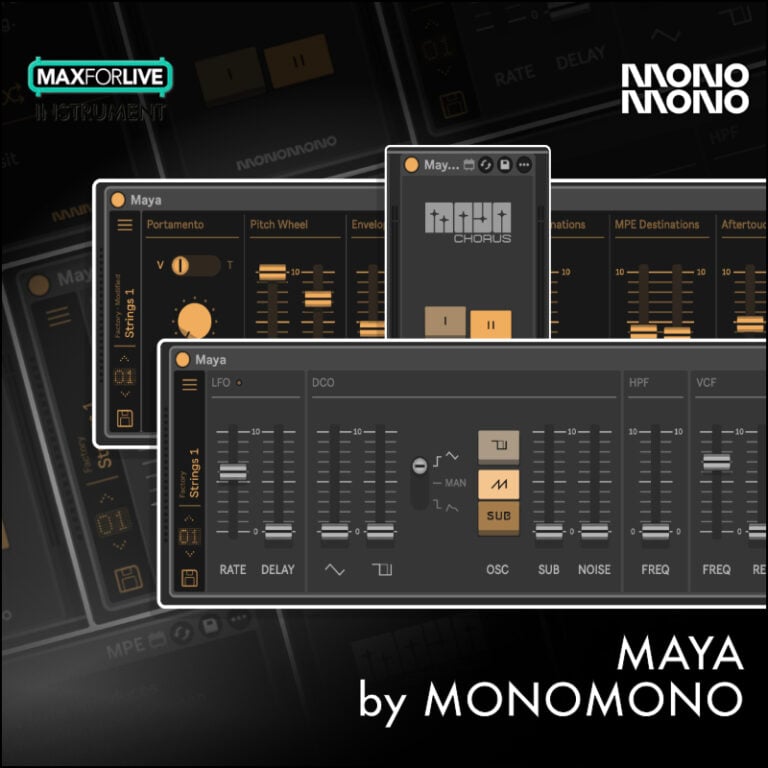
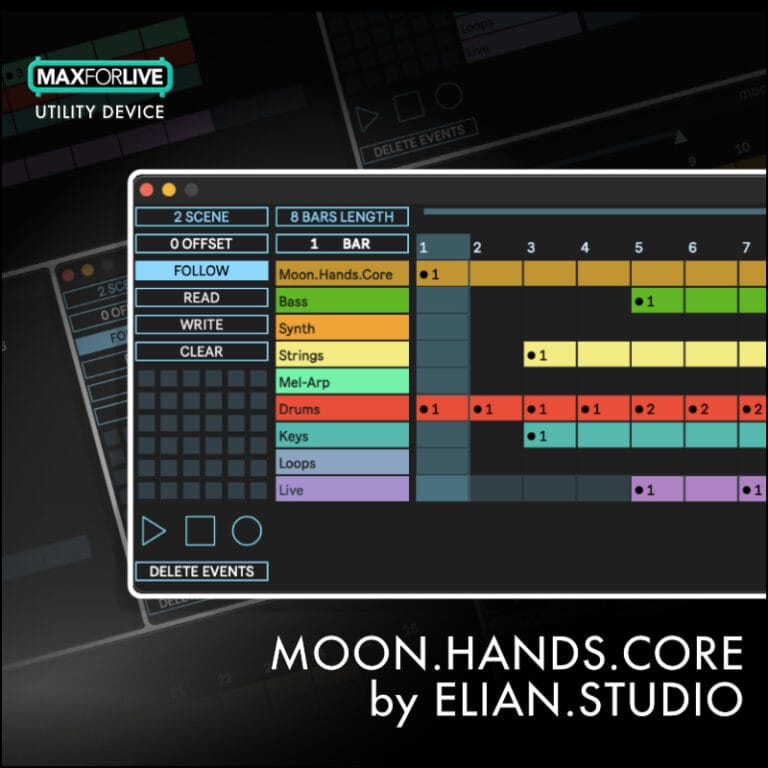
Max for Live devices open up even more possibilities here. Tools like LFO devices for live modulation and custom-built performance utilities let you create movement and evolution in your sound that would be impossible to achieve manually. The best Max for Live devices for live performance in 2025 are those that reduce cognitive load while increasing expressive range — doing more with less effort.
The key is to map only the parameters you’ll actually use. Over-mapping is a real trap. When everything is mappable, nothing feels intentional. Be selective. Know exactly what each knob does before you step on stage, and practice using it until it becomes muscle memory.
Handling Mistakes and Staying in the Moment
Every performer makes mistakes. The producers who look most confident on stage aren’t the ones who never mess up — they’re the ones who’ve learned how to handle mistakes without breaking their composure or killing the energy.
One of the best live performance tips you can internalize is this: the audience doesn’t know what your set is supposed to sound like. If something goes wrong and you react calmly, most people won’t even notice. If you visibly panic, freeze, or stop the music abruptly, that’s when the spell breaks. Your reaction to a mistake is almost always more impactful than the mistake itself.
Building safety nets into your Ableton Live setup is a practical way to manage this. Having a looping pad or a drone layer that can buy you a few seconds of breathing room is worth its weight in gold. Some performers use Ableton Live safety layers — ambient textures that can be brought up instantly to fill space while they recover from a technical issue.
Beyond technical safety nets, the mental game matters enormously. Practicing under pressure — setting up your controller in a different room, performing to a recording of crowd noise, running through your set without stopping no matter what happens — builds the kind of resilience that translates directly to stage confidence.
Live Performance Tips for Long-Term Growth as a Performer
The tips KVNDRA shares aren’t one-and-done fixes. They’re the beginning of a longer journey of development as a live electronic performer. The producers who grow fastest are the ones who treat every set — even the small ones, even the ones that don’t go perfectly — as valuable data.
Recording your performances and watching them back is uncomfortable but incredibly useful. You’ll notice habits you didn’t know you had, moments where you missed an opportunity, and transitions that could be smoother. This kind of honest self-review is how you compress years of development into months.
Connecting with other live performers is equally valuable. The electronic music community is generous with knowledge, and there are Ableton Live performance communities online where producers share templates, discuss workflows, and support each other’s growth. Learning from someone who’s a few steps ahead of you can save enormous amounts of trial and error.
Finally, remember that your live set is a living thing. It should evolve as you evolve. Don’t lock yourself into a setup that felt right six months ago if it doesn’t reflect where you are now. The best performers constantly refine their approach — not because they’re chasing perfection, but because they’re staying honest about what’s working and what isn’t.
Key Takeaways
Structure matters: Use Ableton Live’s Session View to build a responsive, flexible set that can adapt to the room.
Real-time control is expressive control: Map meaningful parameters to physical hardware and practice until it’s second nature.
Mistakes are inevitable — your reaction is what counts: Build safety nets into your setup and practice performing under pressure.
Review your performances: Recording and watching yourself back is one of the fastest paths to improvement.
Keep evolving: Your live set should grow with you. Regular refinement is a sign of a serious performer, not an indecisive one.
KVNDRA’s five tips represent the kind of hard-won wisdom that only comes from actually doing the work — stepping on stage, making mistakes, learning, and coming back better. Whether you’re brand new to live electronic performance or looking to level up a setup you’ve had for years, these insights offer a clear and actionable path forward. Watch the full video above and start thinking about which of these changes you can make to your own setup today.