
Complete Chance by LDM Design
All four Chance packs by LDM Design in one bundle: Chance Ten, Chance Pack Two, Chance Pack Three and Chance Pack Four. 37 Max for Live MIDI devices that bring Brian Eno style probability to notes, chords, clips, samples and MPE in Ableton Live.
Buying for someone?Send a gift card →
LDM Design
LDM Design is the brainchild of Daniel Malcolm, who started creating Max For Live devices in 2016.
View all products by LDM DesignOverview
All four Chance packs by LDM Design: 37 Max for Live probability devices
Complete Chance brings every Chance pack by LDM Design together in one download: Chance Ten, Chance Pack Two, Chance Pack Three and Chance Pack Four. That is 37 Max for Live MIDI devices for Ableton Live, inspired by Brian Eno’s probability techniques, in a single purchase that costs less than buying the four packs one by one.
Chance Ten covers the core note tools: gating, transposing, repeating, substituting and randomising notes and parameters. Pack Two takes probability to chords, clips, timing and generative melodies. Pack Three adds structure, with exact note counts, round robin for notes, racks and Sampler zones, and per-note odds across the whole set. Pack Four rebuilds the idea with full MPE support, splitting notes by velocity or pitch, quantising dynamics and firing note clusters. Every device does one job, so you can stack devices from any of the four packs in any order and build your own probability chains.
- All four Chance packs by LDM Design in one bundle: Chance Ten, Chance Pack Two, Chance Pack Three and Chance Pack Four
- 37 Max for Live MIDI devices in total, for less than buying the four packs separately
- Chance Ten: 10 probability devices inspired by Brian Eno’s techniques, plus the bonus Velocity_Seq
- Chance Pack Two: probability for chords, clips, timing and melodies, plus the bonus Arpejj arpeggiator
- Chance Pack Three: exact note counts, round robin for notes, Instrument Rack chains and Sampler zones, per-note odds and Simpler start times
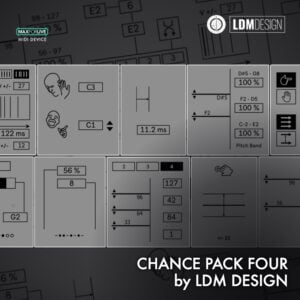
- Chance Pack Four: 10 MPE-compatible devices for density, note choice, velocity and pitch bands, clusters and pressure
- Probability mode or manual trigger on most devices, for hands-on control in performance
- Single-function devices you can chain in any order, across all four packs
- Full mapping to Push, MIDI controllers and automation lanes
- Four user guides included, one for each pack
- Max for Live MIDI Device .amxd device
- User manual (PDF)
Reviews
No reviews yet. Be the first to review this product.
Chance Ten
Probability for Every Note and Pitch
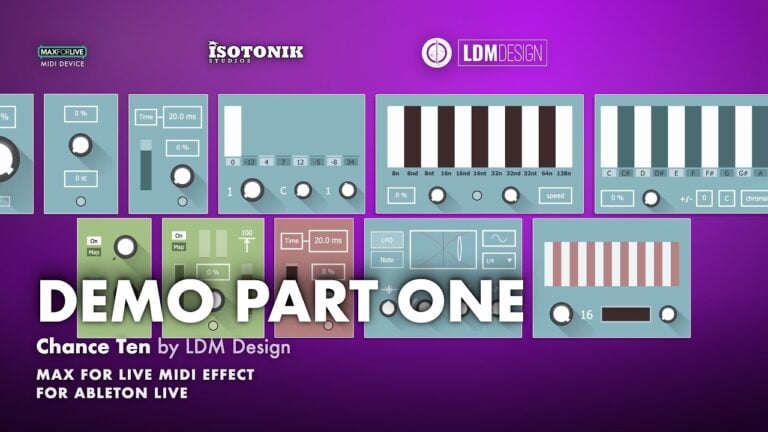
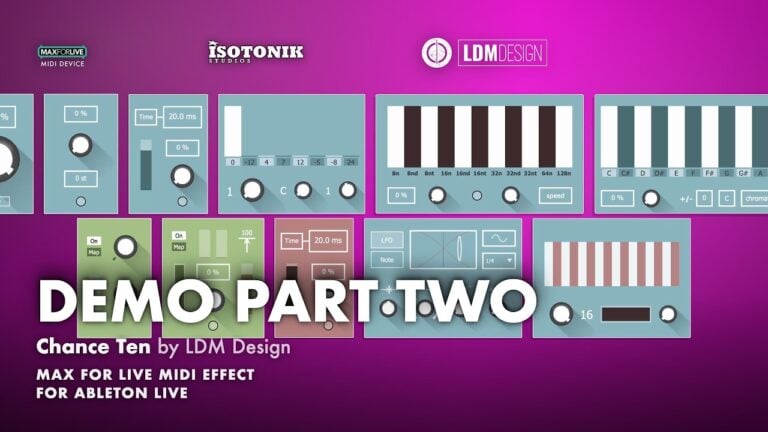
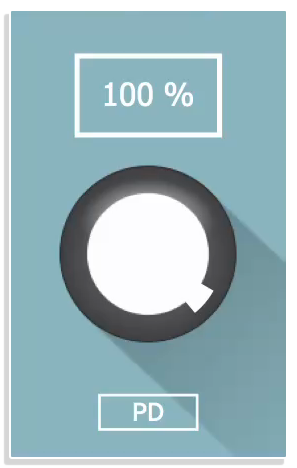
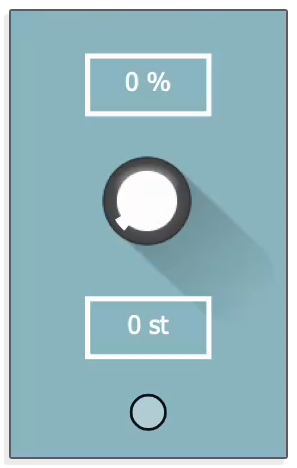
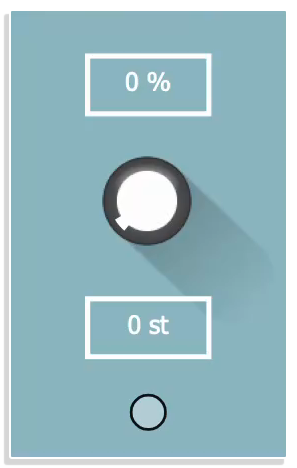
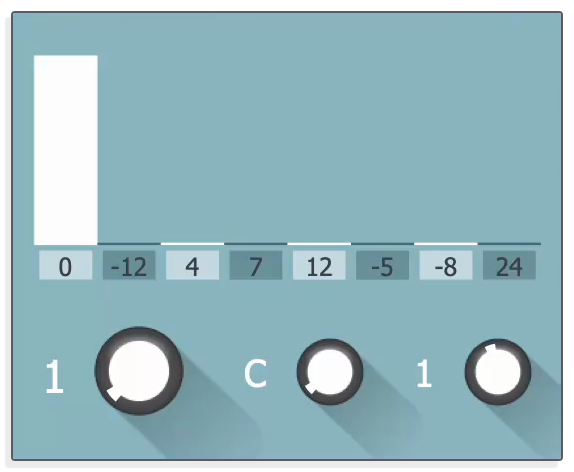
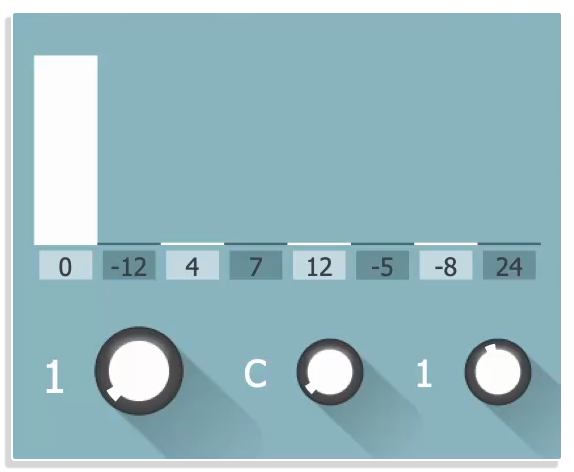
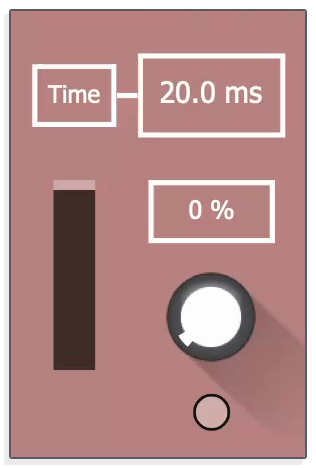
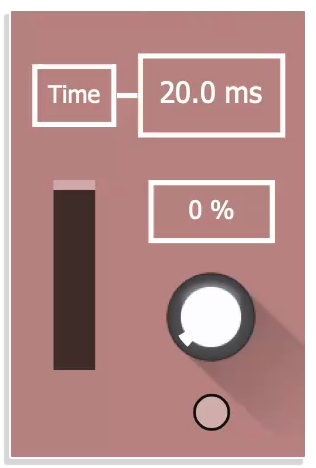
Chance_Play sets the odds of each note passing through, with a Preserve Downbeat mode that keeps the downbeat in place. Chance_Transpose shifts notes by a set amount on a probability or a held trigger, Alt_Notes gives up to eight incoming notes their own alternative transpositions, and Chance_Note swaps in random notes weighted across all 12 pitches, locked to your scale and root.
Chance Ten
Repeats, Stutters, Delays and Velocity
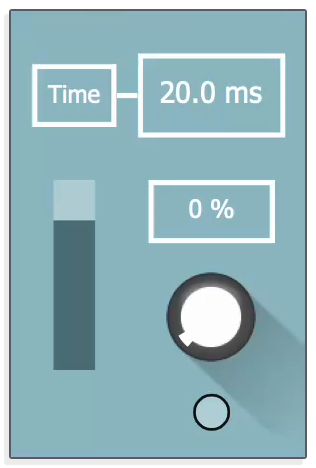
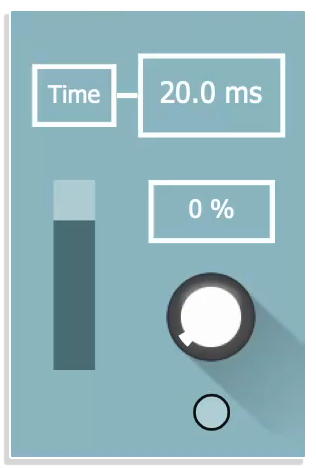
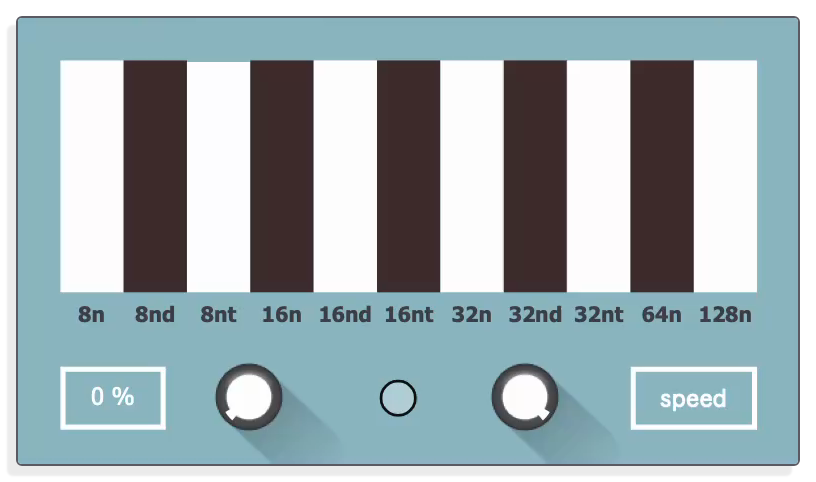
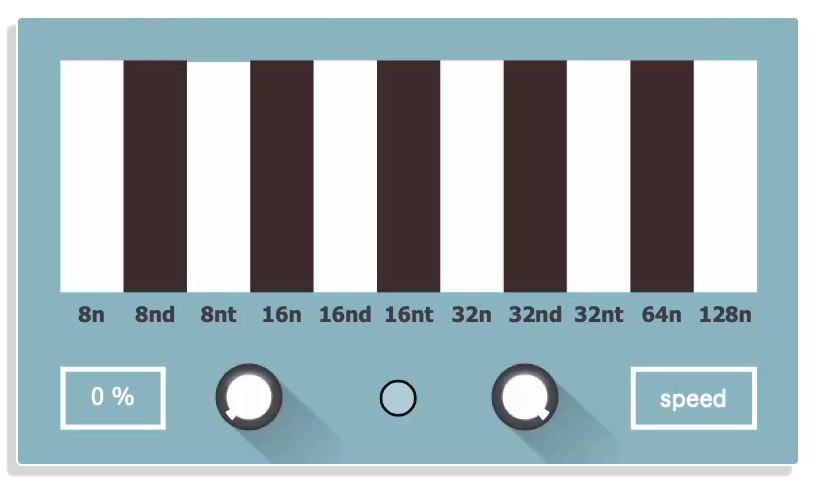
Chance_Repeat adds a delayed copy of a note at its own velocity, and Chance_Drillz fires glitchy stutters and beat repeats with level, rising or falling velocity curves. Chance_MIDIlay is a polyphonic MIDI delay whose feedback drops the velocity of each repeat, and the bonus Velocity_Seq steps every incoming note through a 2 to 16 step velocity sequence.
Chance Ten
Random Movement for Any Parameter
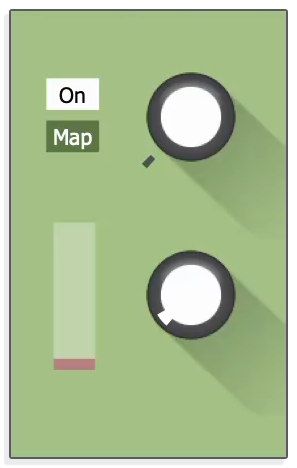
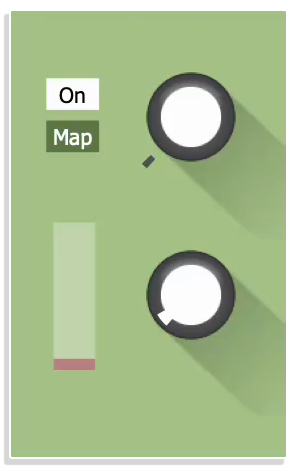
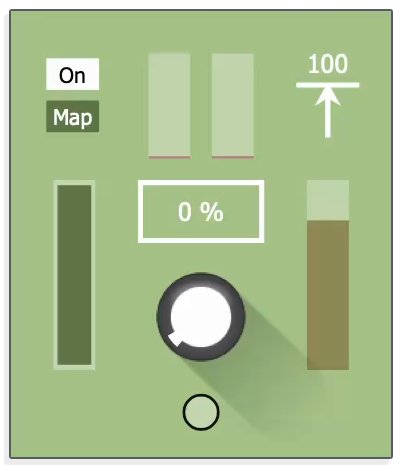
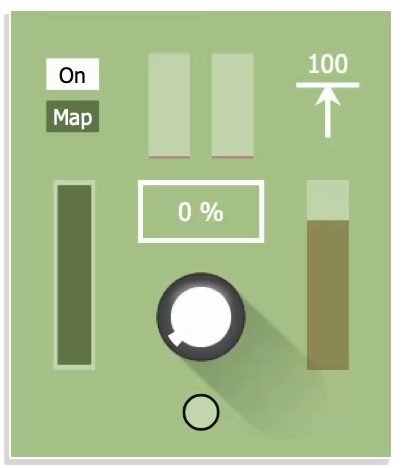
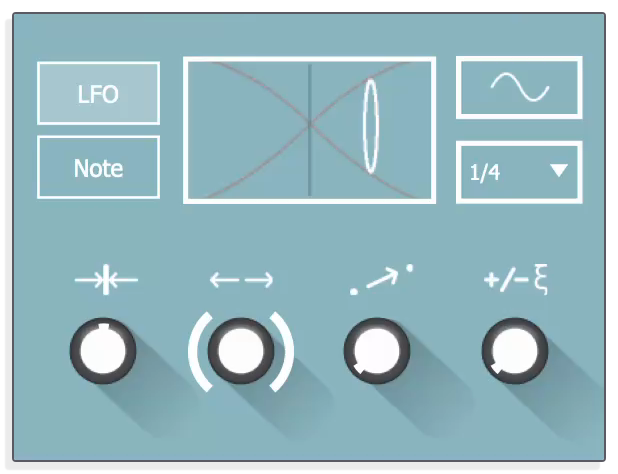
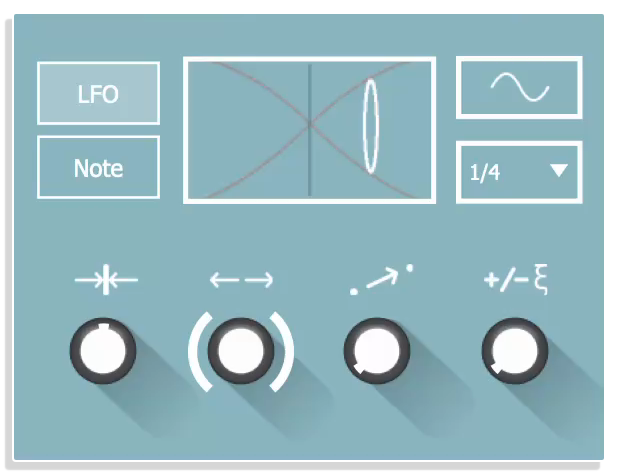
Chance_Parameter maps any parameter in Live and randomises it within a set range each time a note passes, with smoothing to avoid sudden jumps. Chance_ParaTrigger plays a simple envelope on a mapped parameter from note-on and note-off, and Midi_Panner moves the track's panning by LFO or note by note.
Chance Pack Two
Probability for Chords and Arpeggios
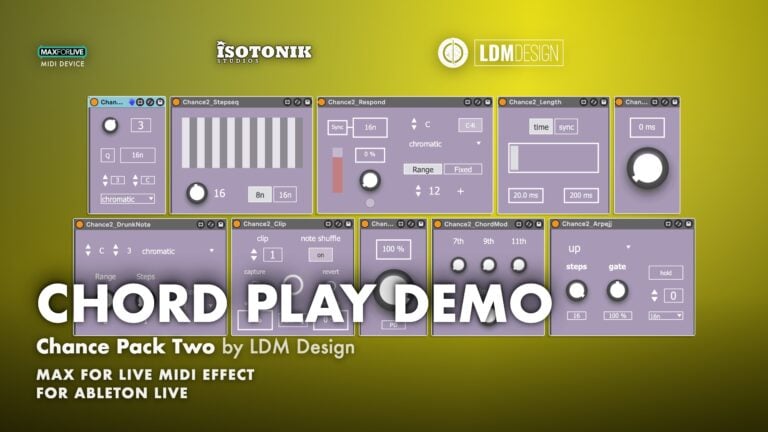
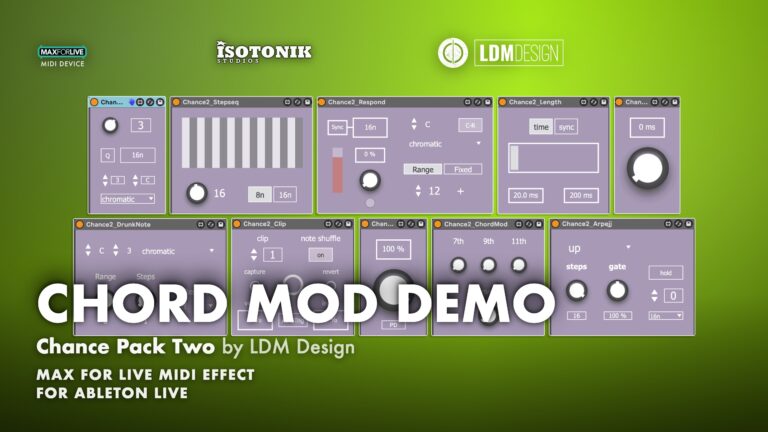
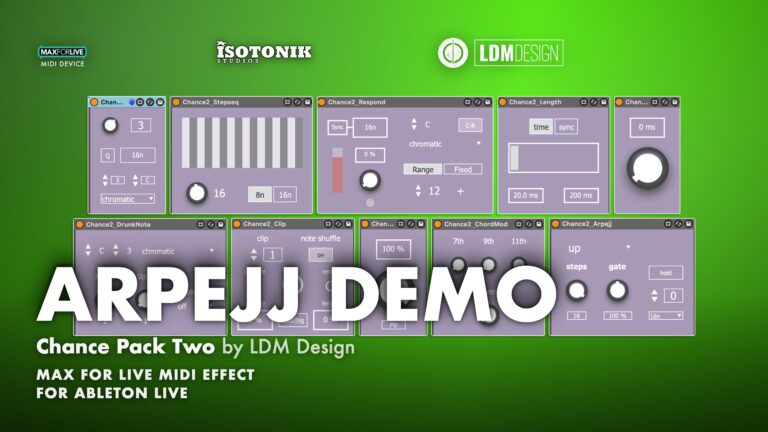
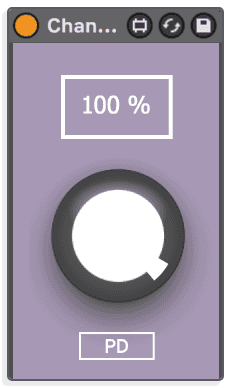
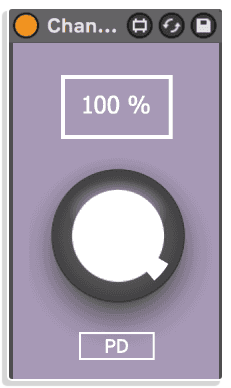
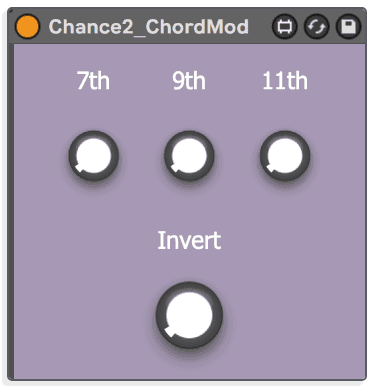
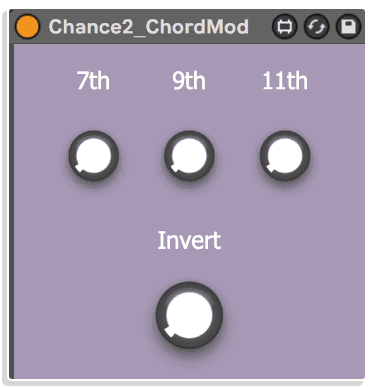
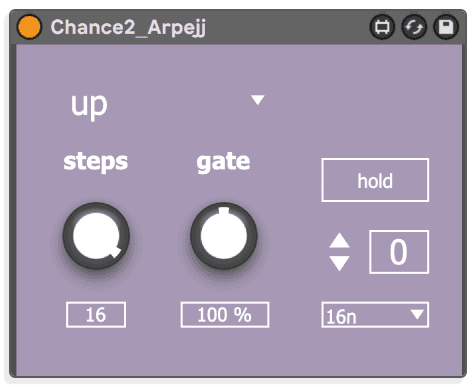
Chance_ChordPlay treats each chord as one event and sets the odds of it playing, with a PD mode that keeps downbeat chords in place. Chance_ChordMod reads incoming major and minor triads and adds 7th, 9th or 11th extensions and inversions on a probability, and the bonus Arpejj adds hold, random direction, steps and gate to your arpeggios.
Chance Pack Two
Generative Melodies and Replies
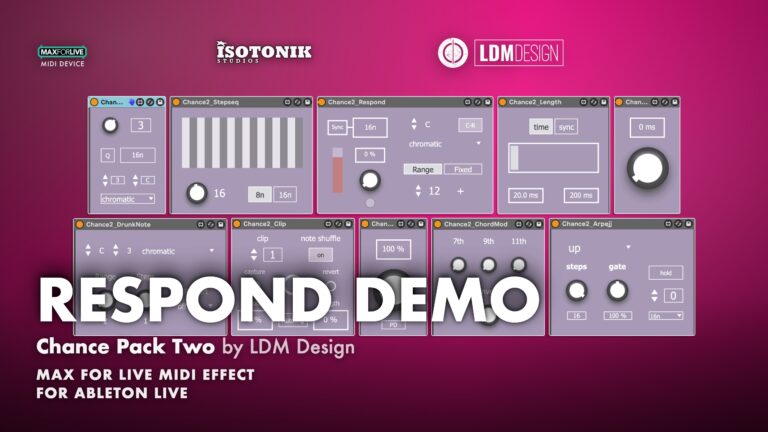
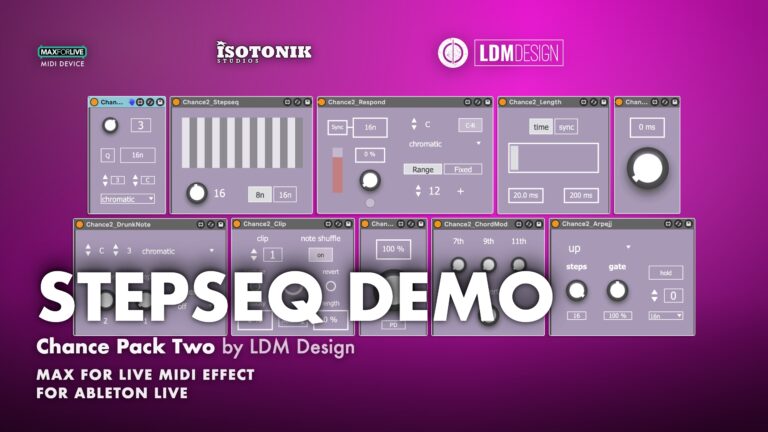
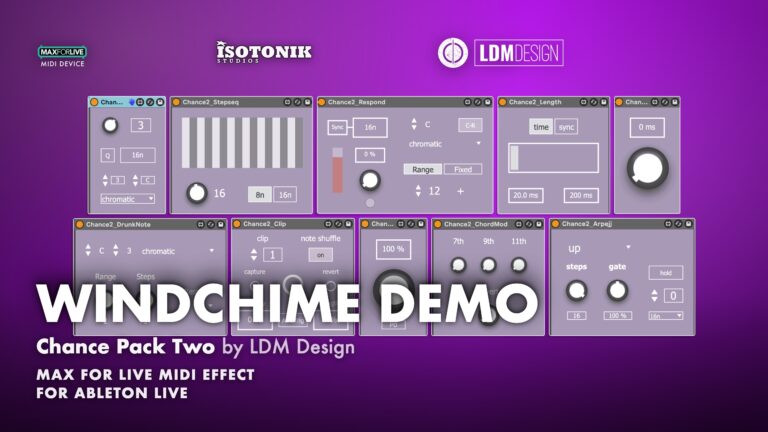
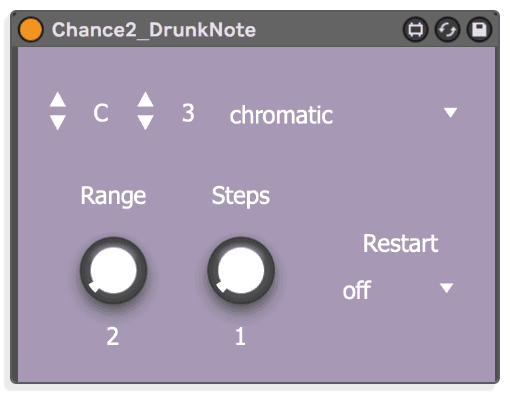
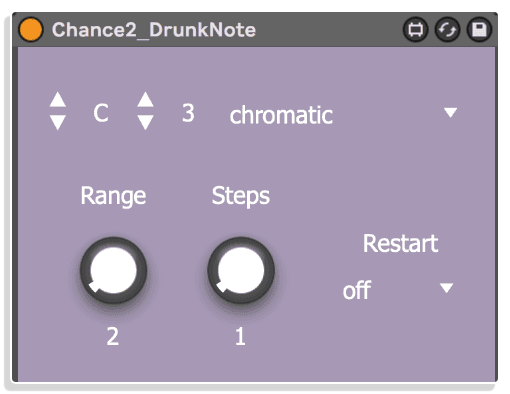
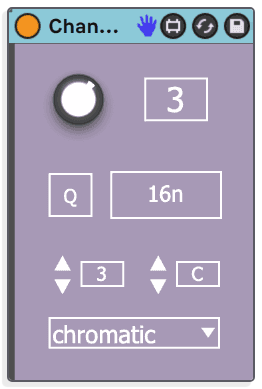
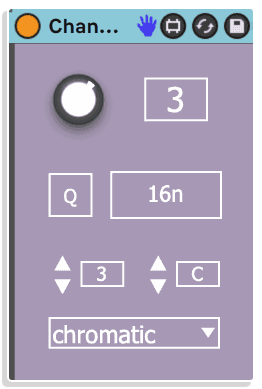
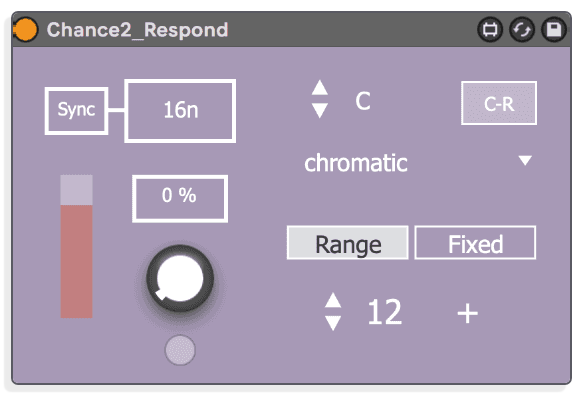
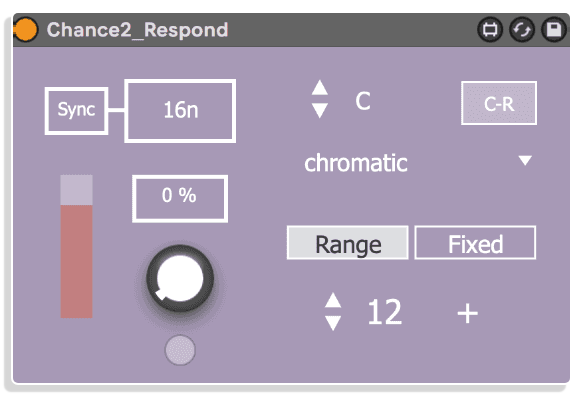
Chance_DrunkNote writes wandering melodies in your scale, with limited steps between notes and a regular return to the root. Chance_Windchime scatters up to 8 notes off the grid with a windspeed control and optional quantise, Chance_Respond answers the notes you play with reply notes at a fixed or random pitch, and Chance_Stepseq sequences probability values over up to 32 steps.
Chance Pack Two
Timing, Note Length and Clip Variations
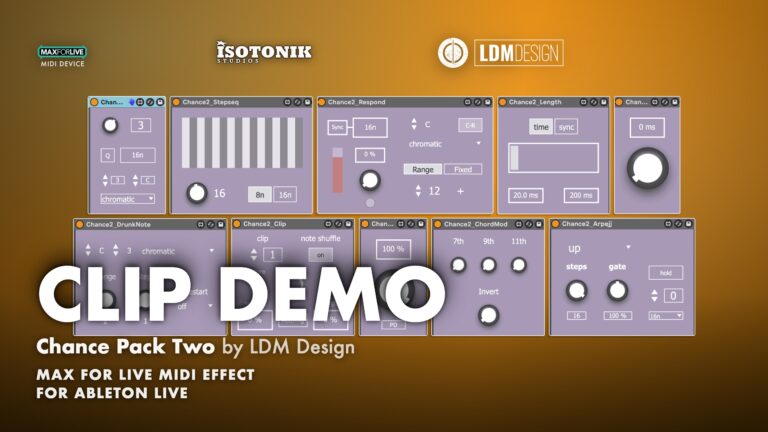
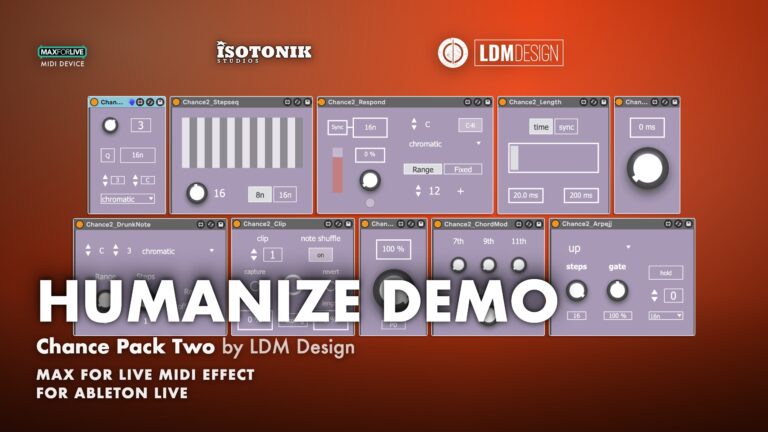
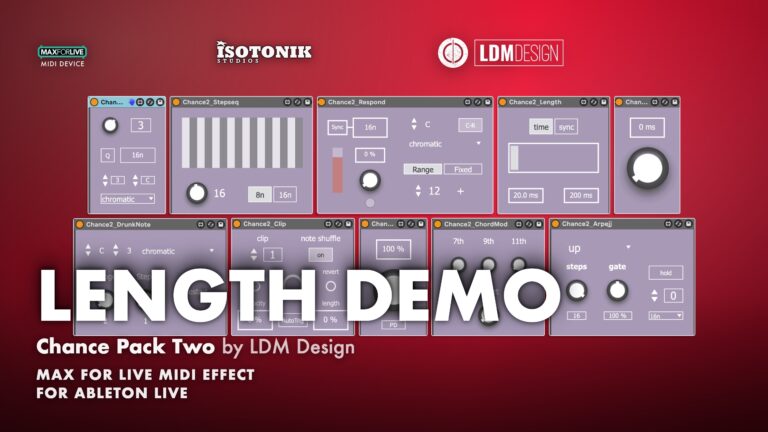
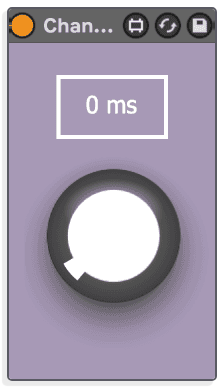
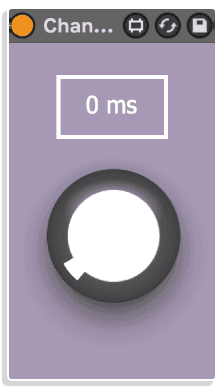
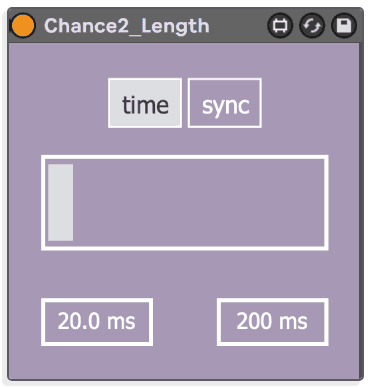
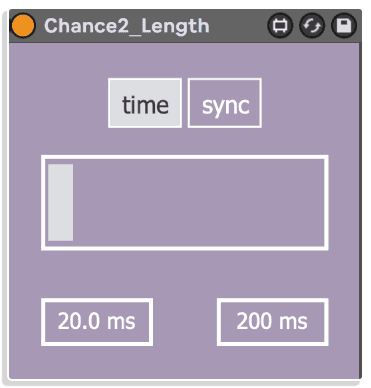
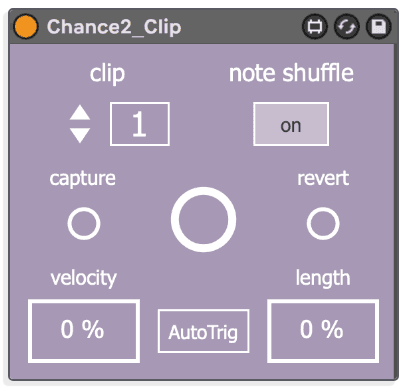
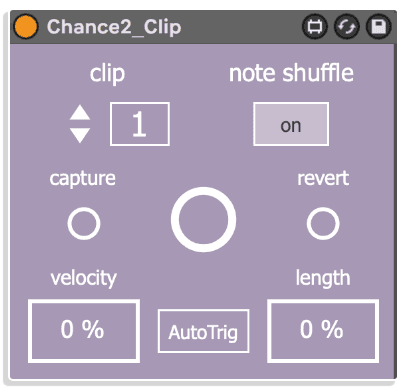
Chance_Humanize adds random delays to note starts and ends, from subtle looseness to obvious drift. Chance_Length overrides note durations with a random value between a minimum and maximum, in ms or synced divisions, and Chance_Clip captures a MIDI clip, then shuffles its pitches and randomises velocity and length, with AutoTrig for a new variation on every loop.
Chance Pack Three
Round Robin for Notes, Racks and Samples
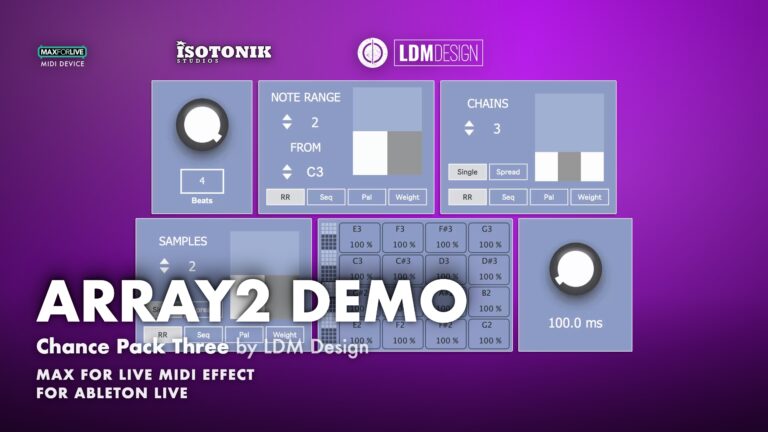
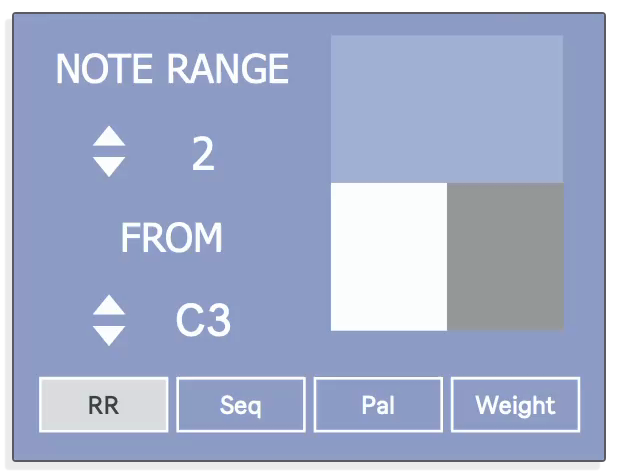
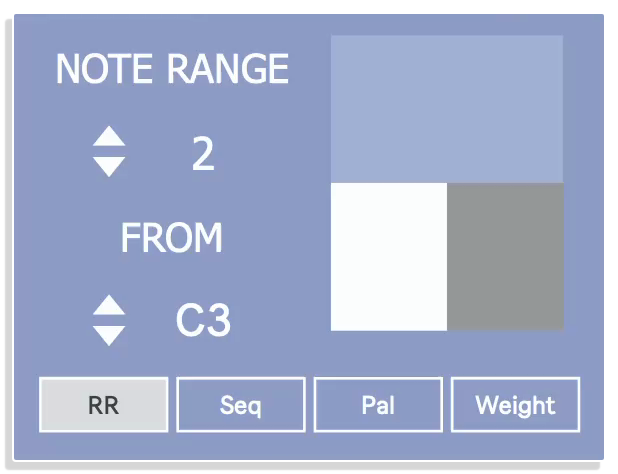
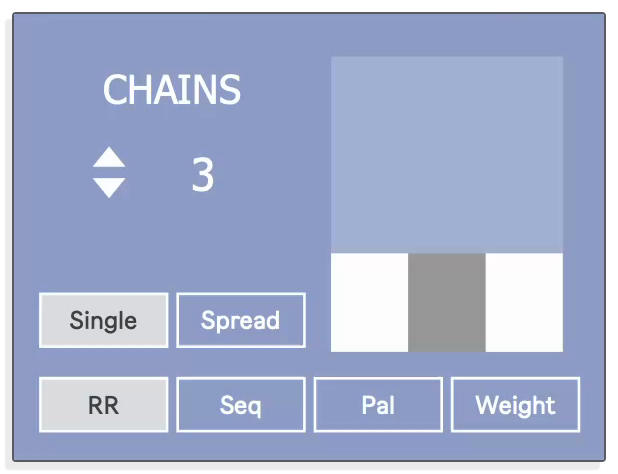
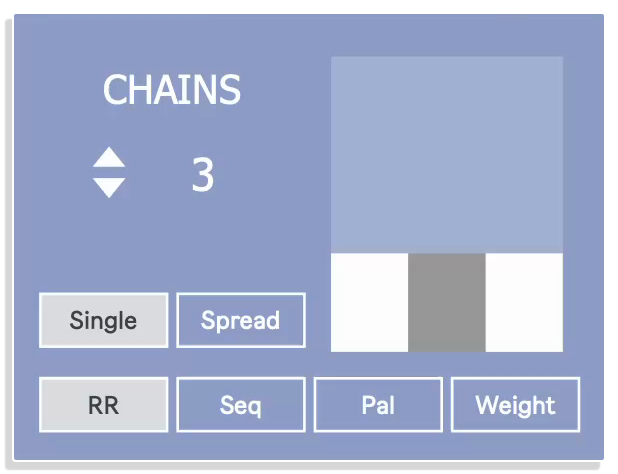
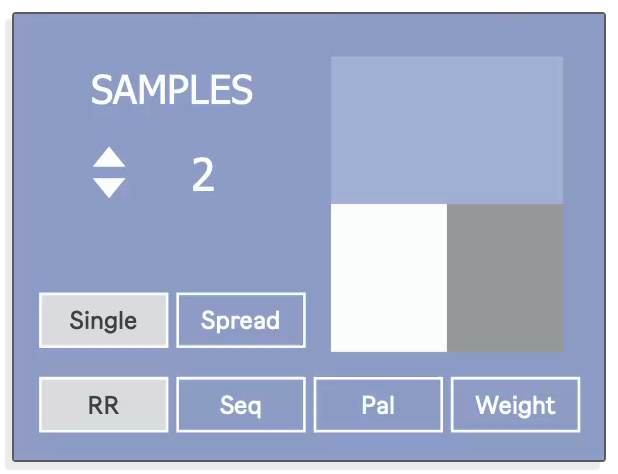
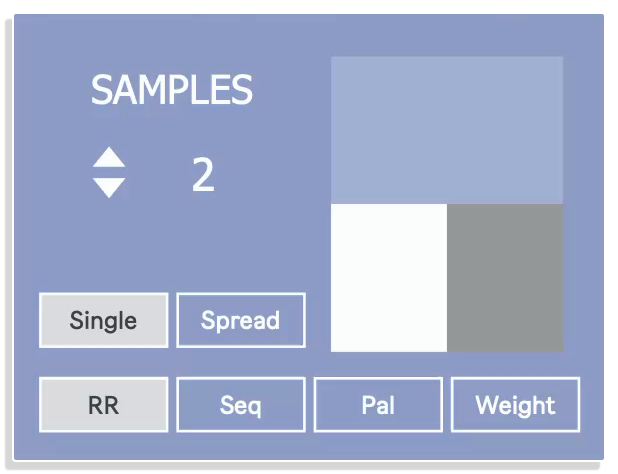
Chance Robin picks from a range of notes without repeating the last one, in Round Robin, Sequential, Palindrome or Weighted mode. Chance Chain applies the same logic to Instrument Rack chains, and Chance Zone chooses which Sampler zone plays, with weighting to favour some samples over others.
Chance Pack Three
Exact Density, Per-Note Odds and Sample Starts
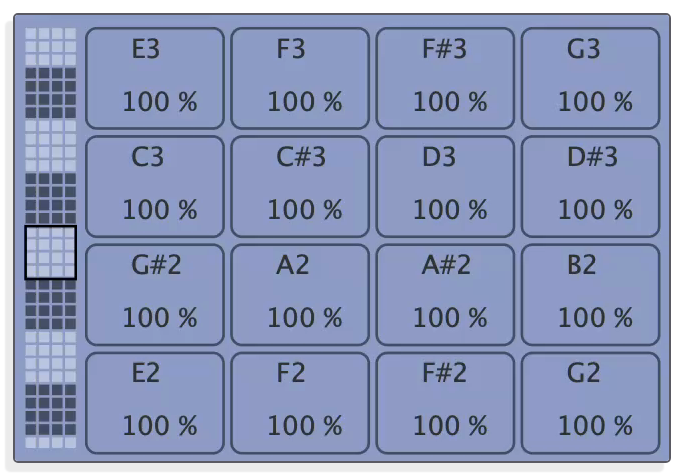
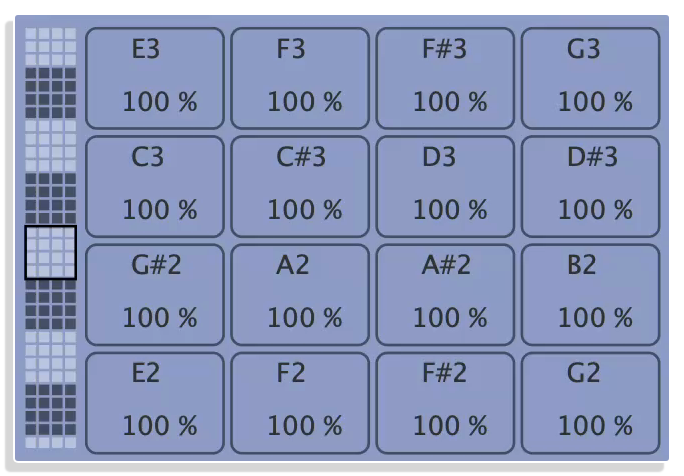
Chance Array plays an exact share of the notes in each section, so 50% of 16 notes is always 8, picked at random on every pass. Chance Midinote sets a default probability for every MIDI note across the whole set on a Drum Rack style grid, and Chance Start randomises the start point in Simpler within a range you set.
Chance Pack Four
Density, Note Choice and Filtering
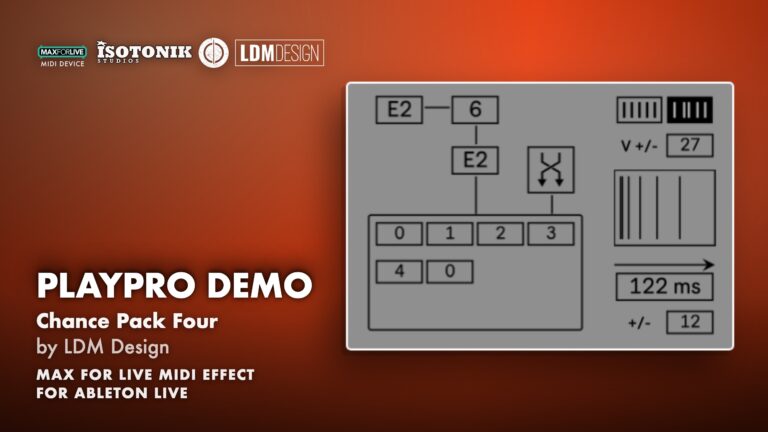
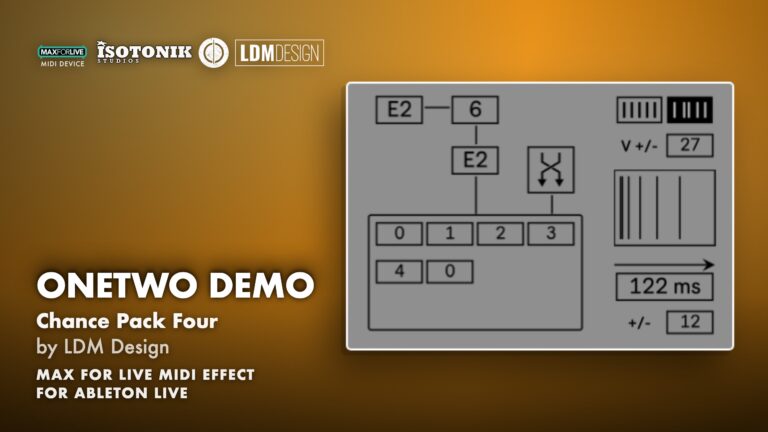
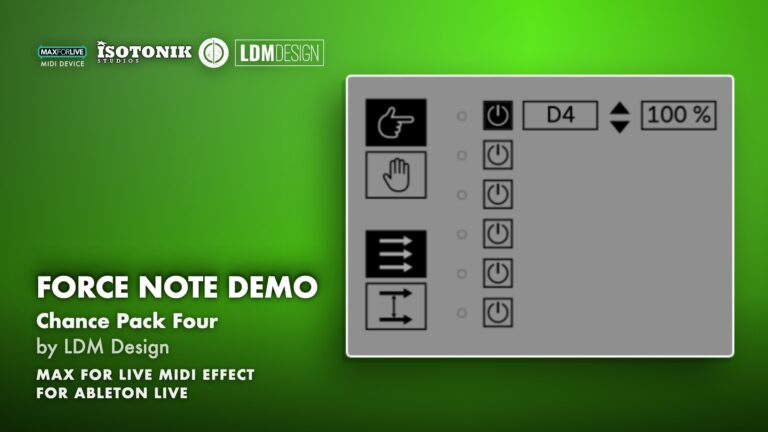
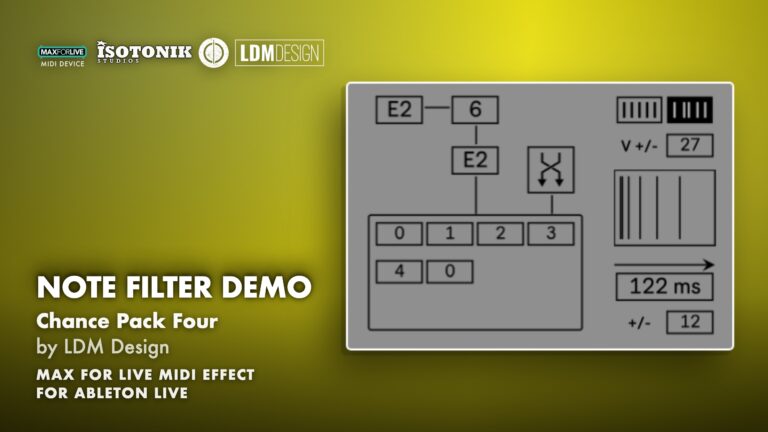
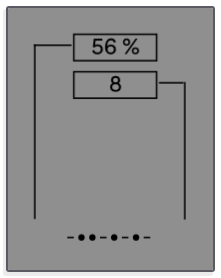
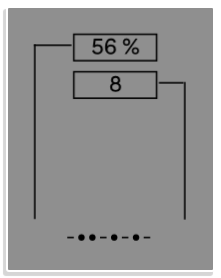
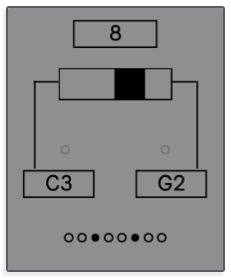
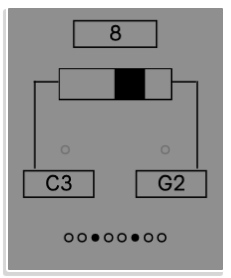
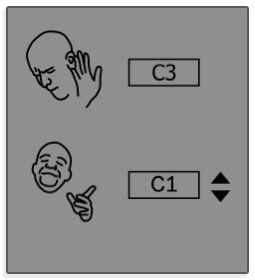
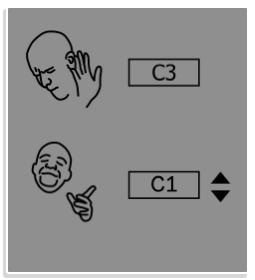
Play Pro guarantees a set share of notes across a set number, so 50% of 8 notes always gives exactly 4. One Two chooses between two notes by weighted probability, Force Note changes every incoming note to one pitch you set, and Note Filter passes or blocks up to six notes or a whole range, each with its own probability. Every Pack Four device passes MPE data.
Chance Pack Four
Split by Velocity or Pitch
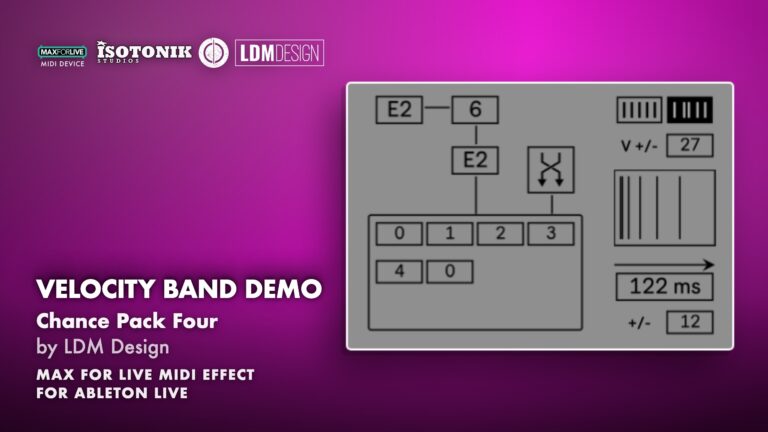
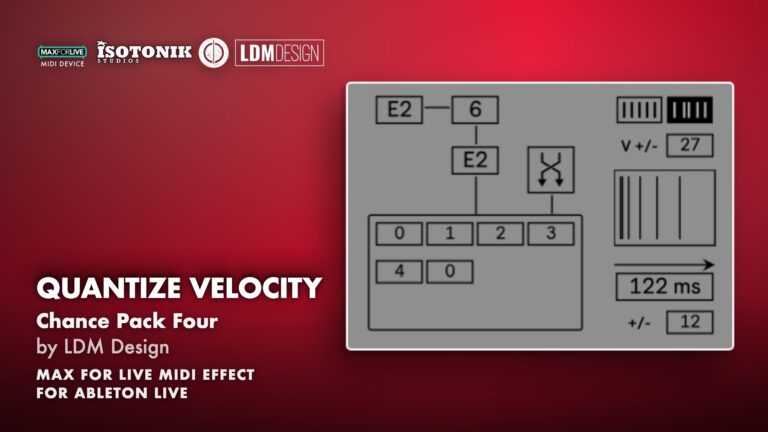
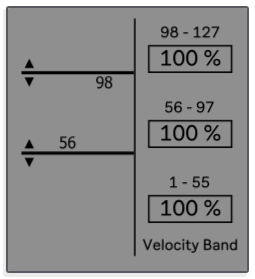
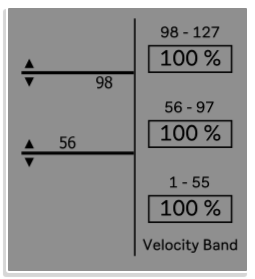
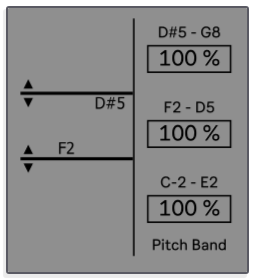
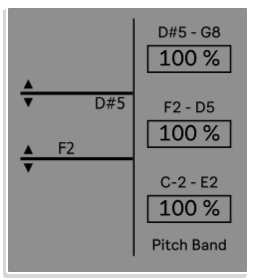
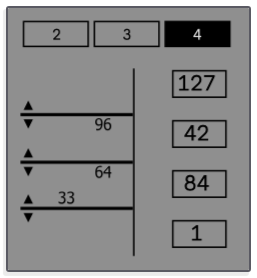
Velocity Band splits notes into soft, medium and hard bands and Pitch Band into low, mid and high zones, each band with its own probability, for parts that respond to how hard and where you play. Quantize Velocity rounds dynamics to fixed steps for switched, 303 style accents.
Chance Pack Four
Clusters, Timing and Pressure
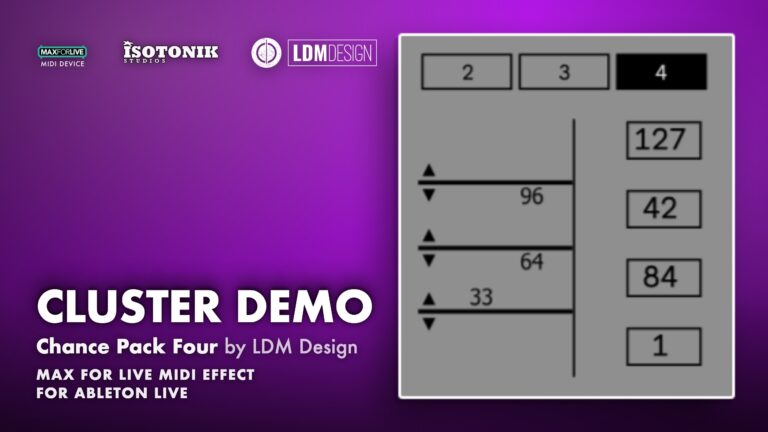
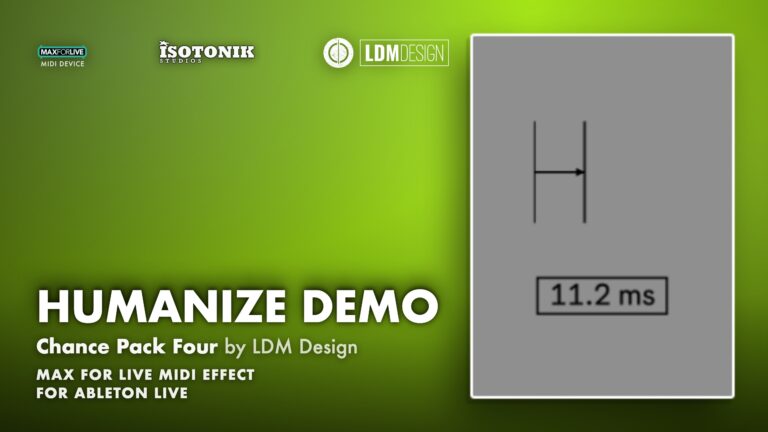
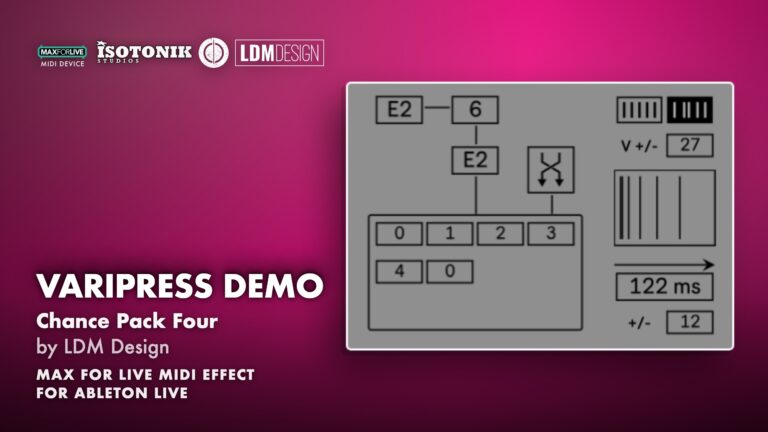
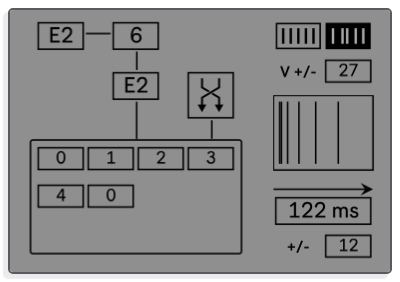
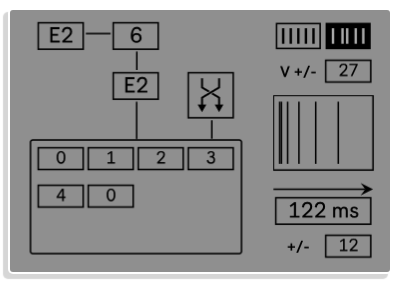
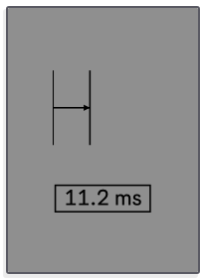
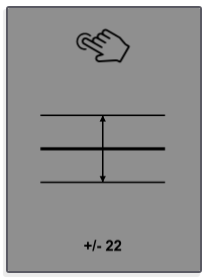
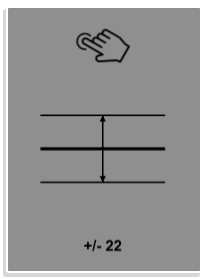
Cluster fires groups of up to 12 notes with shuffle, stagger, velocity variation and curve control. Humanize adds random timing delay to loosen quantised parts, and Vary Press adds MPE pressure variation to each note.
Important Information
INSTALLATION
Our Products are generally provided as Zip file downloads which in all cases will need to be extracted and saved to your hard drive prior to installation. Details on the different file type provided and what to do with them are below.
.alp Files – These are Ableton Live Packs and will either install directly into the Packs Section of the browser of Ableton Live or ask you to save them to your hard drive. For packs that install to the library, when you double click on them you will see a pop up window asking you to confirm that installation is ok as the files are described as “Legacy”. This is fine and you are ok to proceed, the packs are created using the format for an earlier version of Live and so remain compatible with the current version.
.amxd files – These are individual MaxforLive Devices and can be stored anywhere on your hard drive. We’d advise creating a folder for them and then adding that folder as a location within the Places section of Lives Browser.
LICENSE
END-USER LICENSE AGREEMENT FOR ISOTONIK STUDIOS SOFTWARE PRODUCTS.
PLEASE READ THE TERMS AND CONDITIONS OF THIS LICENSE AGREEMENT CAREFULLY BEFORE CONTINUING WITH THIS PROGRAM INSTALL.
This End-User License Agreement (referred to as “EULA”) is a legal agreement between an individual or a single entity (referred to as “LICENSEE”) and Isotonik Studios for the Isotonik Studios software product(s) which may include associated software components, media, printed materials, and “online” or electronic documentation (referred to as “SOFTWARE PRODUCT”). By installing, copying, or otherwise using the SOFTWARE PRODUCT, the LICENSEE agrees to be bound by the terms of this EULA.
This EULA represents the entire agreement concerning the program between the LICENSEE and Isotonik Studios and it supersedes any prior proposal, representation, or understanding between the parties. If the LICENSEE does not agree to the terms of this EULA, the LICENSEE should not install or use the SOFTWARE PRODUCT.
The SOFTWARE PRODUCT is protected by copyright laws and international copyright treaties, as well as other intellectual property laws and treaties. The SOFTWARE PRODUCT is licensed, not sold.
- GRANT OF LICENSE.
The SOFTWARE PRODUCT is licensed as follows:
(a) Installation and Use. Providing that the LICENSEE has paid any applicable license fees, Isotonik Studios grants the LICENSEE the right to install and use copies of the SOFTWARE PRODUCT on up to two computers in the LICENSEE’s possession that are running a validly licensed copy of the operating system for which the SOFTWARE PRODUCT was designed [e.g., Windows 10, macOS]. The computer(s) must be owned by the LICENSEE.
(b) Backup Copies. The LICENSEE may also make copies of the SOFTWARE PRODUCT as may be necessary for backup and archival purposes.
- DESCRIPTION OF OTHER RIGHTS AND LIMITATIONS.
(a) Maintenance of Copyright Notices. The LICENSEE must not remove or alter any copyright notices on any and all copies of the SOFTWARE PRODUCT.
(b) Distribution. The LICENSEE may not distribute registered copies of the SOFTWARE PRODUCT to third parties.
(c) Prohibition on Reverse Engineering, Decompilation, and Disassembly. The LICENSEE may not reverse engineer, decompile, or disassemble the SOFTWARE PRODUCT, except and only to the extent that such activity is expressly permitted by applicable law notwithstanding this limitation.
(d) Rental. The LICENSEE may not rent, lease, or lend the SOFTWARE PRODUCT.
(e) License transfer The LICENSEE may not transfer their license to the SOFTWARE PRODUCT to any third party. Any attempt to do so will be considered a violation of this EULA.
(f) Support Services. Isotonik Studios may provide the LICENSEE with support services related to the SOFTWARE PRODUCT for a period of 12 months following the date of purchase. Any supplemental software code provided to the LICENSEE as part of the Support Services shall be considered part of the SOFTWARE PRODUCT and subject to the terms and conditions of this EULA.
(g) Compliance with Applicable Laws. The LICENSEE must comply with all applicable laws regarding use of the SOFTWARE PRODUCT.
- TERMINATION Without prejudice to any other rights, Isotonik Studios may terminate this EULA if the LICENSEE fails to comply with the terms and conditions of this EULA. In such event, the LICENSEE must destroy all copies of the SOFTWARE PRODUCT in the LICENSEE’s possession.
- COPYRIGHT All title, including but not limited to copyrights, in and to the SOFTWARE PRODUCT and any copies thereof are owned by Isotonik Studios or its suppliers. All title and intellectual property rights in and to the content which may be accessed through use of the SOFTWARE PRODUCT is the property of the respective content owner and may be protected by applicable copyright or other intellectual property laws and treaties. This EULA grants the LICENSEE no rights to use such content. All rights not expressly granted are reserved by Isotonik Studios.
- NO WARRANTIES Isotonik Studios expressly disclaims any warranty for the SOFTWARE PRODUCT. The SOFTWARE PRODUCT is provided ‘As Is’ without any express or implied warranty of any kind, including but not limited to any warranties of merchantability, noninfringement, or fitness of a particular purpose. Isotonik Studios does not warrant or assume responsibility for the accuracy or completeness of any information, text, graphics, links or other items contained within the SOFTWARE PRODUCT. Isotonik Studios makes no warranties respecting any harm that may be caused by the transmission of a computer virus, worm, time bomb, logic bomb, or other such computer program. Isotonik Studios further expressly disclaims any warranty or representation to the LICENSEE or to any third party.
- LIMITATION OF LIABILITY In no event shall Isotonik Studios be liable for any damages (including, without limitation, lost profits, business interruption, or lost information) arising out of the LICENSEE’s use of or inability to use the SOFTWARE PRODUCT, even if Isotonik Studios has been advised of the possibility of such damages. In no event will Isotonik Studios be liable for loss of data or for indirect, special, incidental, consequential (including lost profit), or other damages based in contract, tort or otherwise. Isotonik Studios shall have no liability with respect to the content of the SOFTWARE PRODUCT or any part thereof, including but not limited to errors or omissions contained therein, libel, infringements of rights of publicity, privacy, trademark rights, business interruption, personal injury, loss of privacy, moral rights or the disclosure of confidential information.
Frequently Asked Questions
Q: What is Complete Chance by LDM Design?
A: Complete Chance is a bundle of all four Chance packs by LDM Design for Ableton Live: Chance Ten, Chance Pack Two, Chance Pack Three and Chance Pack Four. You get 37 Max for Live MIDI devices that add controlled probability and randomness to notes, chords, clips, timing, samples and MPE performances.
Q: What do I get in the download?
A: The four complete packs, each as its own download with its user guide: Chance Ten (10 devices plus the bonus Velocity_Seq), Chance Pack Two (10 devices including the bonus Arpejj), Chance Pack Three (6 devices) and Chance Pack Four (10 MPE-compatible devices).
Q: Is the bundle cheaper than buying the packs separately?
A: Yes. Complete Chance is priced below the four packs bought one by one, and all four come with the one purchase.
Q: Which version of Ableton Live do I need?
A: Ableton Live 11 or 12 Suite, or Standard with Max for Live, on Mac or Windows. Chance Pack Three and Chance Pack Four need Live 11 or later. Chance Ten and Chance Pack Two also run in Live 10.
Q: What is Max for Live?
A: Max for Live is a platform that integrates the visual programming environment Max with Ableton Live, allowing users to create and use custom audio, MIDI and control devices. It is included with Ableton Live Suite and can be added to Live Standard.
Q: How do the four packs work together?
A: Every Chance device does one job, so you can chain devices from any pack on the same MIDI track. For example, thin a pattern with Chance_Play from Chance Ten, add chord extensions with Chance_ChordMod from Pack Two, keep the density exact with Chance Array from Pack Three, then split the result into velocity bands with Velocity Band from Pack Four.
Q: What is the difference between probability mode and trigger mode?
A: Most Chance devices offer both. Probability mode uses a percentage to decide when the effect happens. Trigger mode gives you a button for direct control in performance: hold the trigger on Chance_Transpose to transpose every note, and it returns to its set probability when you let go.
Q: Do the devices support MPE?
A: Chance Pack Four was rebuilt with full MPE compatibility, so all ten of its devices pass MPE data. Chance_Clip in Pack Two edits clip contents directly and does not work with clips that contain MPE data.
Q: Where can I find more products by LDM Design?
A: You can explore more of LDM Design’s tools and devices here: LDM Design
In Depth
Complete Chance brings every Chance pack by LDM Design together in one download: Chance Ten, Chance Pack Two, Chance Pack Three and Chance Pack Four. That is 37 Max for Live MIDI devices for Ableton Live, inspired by Brian Eno’s probability techniques, in a single purchase that costs less than buying the four packs one by one.
Chance Ten covers the core note tools: gating, transposing, repeating, substituting and randomising notes and parameters. Pack Two takes probability to chords, clips, timing and generative melodies. Pack Three adds structure, with exact note counts, round robin for notes, racks and Sampler zones, and per-note odds across the whole set. Pack Four rebuilds the idea with full MPE support, splitting notes by velocity or pitch, quantising dynamics and firing note clusters. Every device does one job, so you can stack devices from any of the four packs in any order and build your own probability chains.
More from LDM Design